


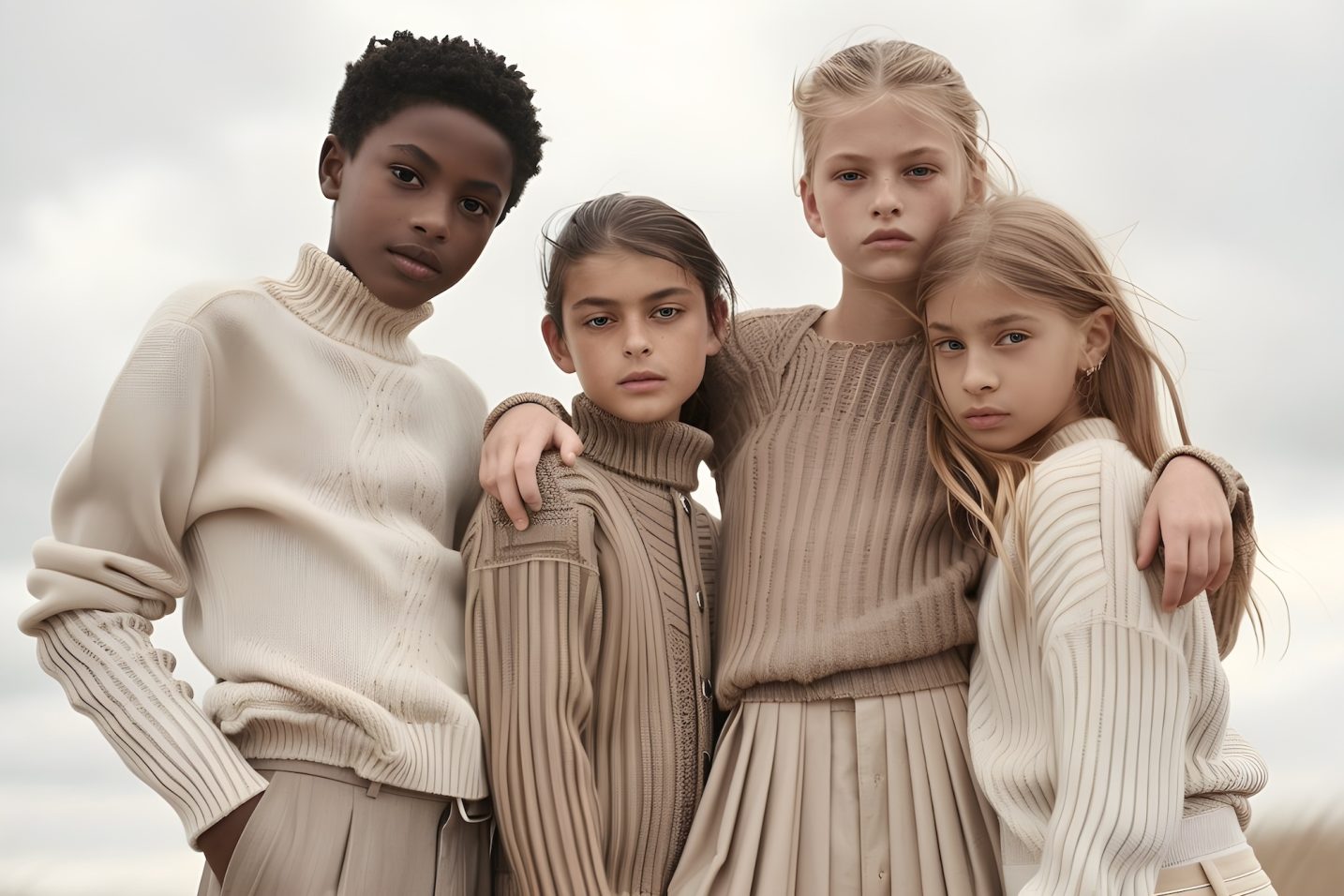
Kids’ fashion in 2026 is shaping up to be expressive, comfortable, and confidently individual. Across collections, early retail previews, and trend conversations, one idea is becoming increasingly clear: children want clothing that allows them to move freely, express personality, and feel like themselves. Oversized silhouettes, relaxed fits, nostalgic references, and inclusive design are no longer fringe ideas. They are becoming central to how modern kids dress.
At the same time, many parents are seeking balance. While bold streetwear influences, playful graphics, and baggy proportions speak to kids’ desire for self-expression, families still want clothing that feels intentional, well-made, and timeless enough to last beyond a single season.
This is where thoughtful styling matters.
Rather than treating trends as rules to follow, KidRovia approaches kids’ fashion for 2026 as a dialogue between comfort and composure. It is about embracing what children love while guiding it with proportion, quality, and a sense of quiet refinement. The result is a wardrobe that feels modern yet grounded, playful yet polished.
Relaxed Fits and Oversized Silhouettes Take the Lead
Comfort is no longer an afterthought in children’s fashion. For 2026, it is the foundation. Oversized graphic tees, baggy denim, cargo pants, relaxed tracksuits, and roomy layers are defining how kids dress across age groups. These silhouettes reflect how children actually move through the world, climbing, lounging, exploring, and creating without restriction.
Influenced by streetwear culture and late-90s to early-2000s nostalgia, these shapes feel familiar and empowering. Kids gravitate toward clothing that feels easy and confident, and oversized fits provide both physical comfort and emotional ease.
From a styling perspective, the most successful oversized looks rely on balance. Volume feels intentional when paired with structure. A relaxed pant looks elevated with a clean top. A loose graphic tee gains polish when layered under a refined knit or jacket. Fabric quality and thoughtful proportions are what transform relaxed clothing into stylish outfits.
Coordinated Sets as a New Everyday Uniform
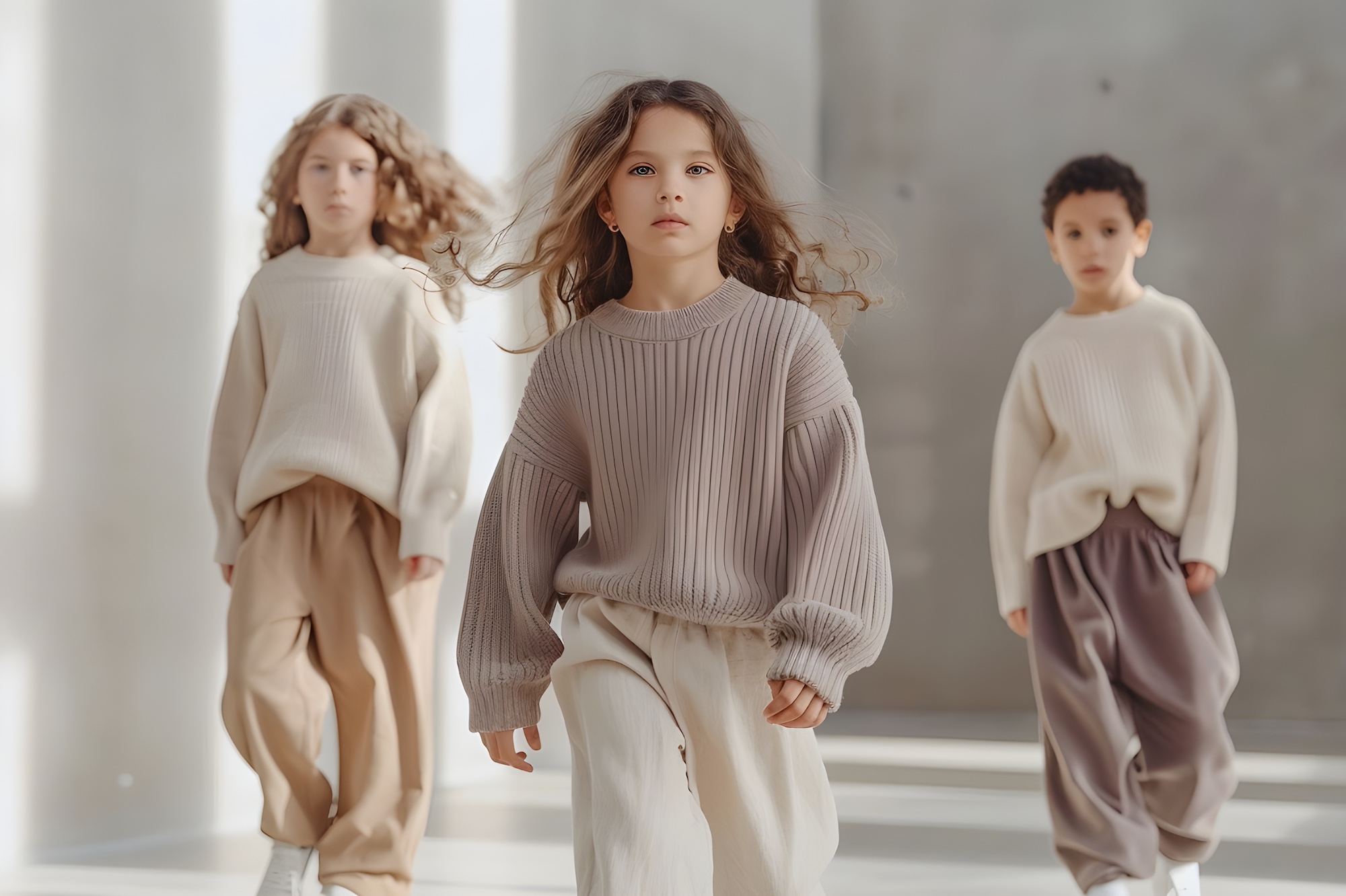
Matching sets are becoming a cornerstone of kids’ fashion in 2026. From hoodies paired with joggers to shirt-and-short combinations and knit co-ords, coordinated outfits offer an effortless way to look styled without overthinking.
What makes sets especially appealing is their versatility. Worn together, they feel composed and intentional. Worn separately, they integrate seamlessly into the rest of a child’s wardrobe, multiplying outfit possibilities.
Neutral toned sets feel timeless and adaptable, while sets in brighter colors or playful prints allow kids to express individuality. The key lies in construction. Well-cut sets made from quality fabrics feel substantial, wash well, and maintain their shape over time, making them practical and stylish choices.

Nostalgic Influences with a Softer Edge
Retro and Y2K-inspired elements continue to shape kids’ fashion for 2026. Baggy jeans, sporty stripes, cropped layers, relaxed denim, and graphic details tap into a sense of nostalgia that feels both fun and familiar.
What gives these pieces longevity is restraint. Instead of exaggerated distressing or loud logos, the most wearable versions feature cleaner washes, balanced proportions, and graphics that feel creative rather than overwhelming.
Styled thoughtfully, nostalgic pieces become wardrobe staples rather than novelty items. A relaxed jean paired with a simple knit. A sporty stripe layered under a tailored outer piece. These combinations feel current while remaining easy to wear beyond a single trend cycle.
A Polished Counterbalance to Streetwear
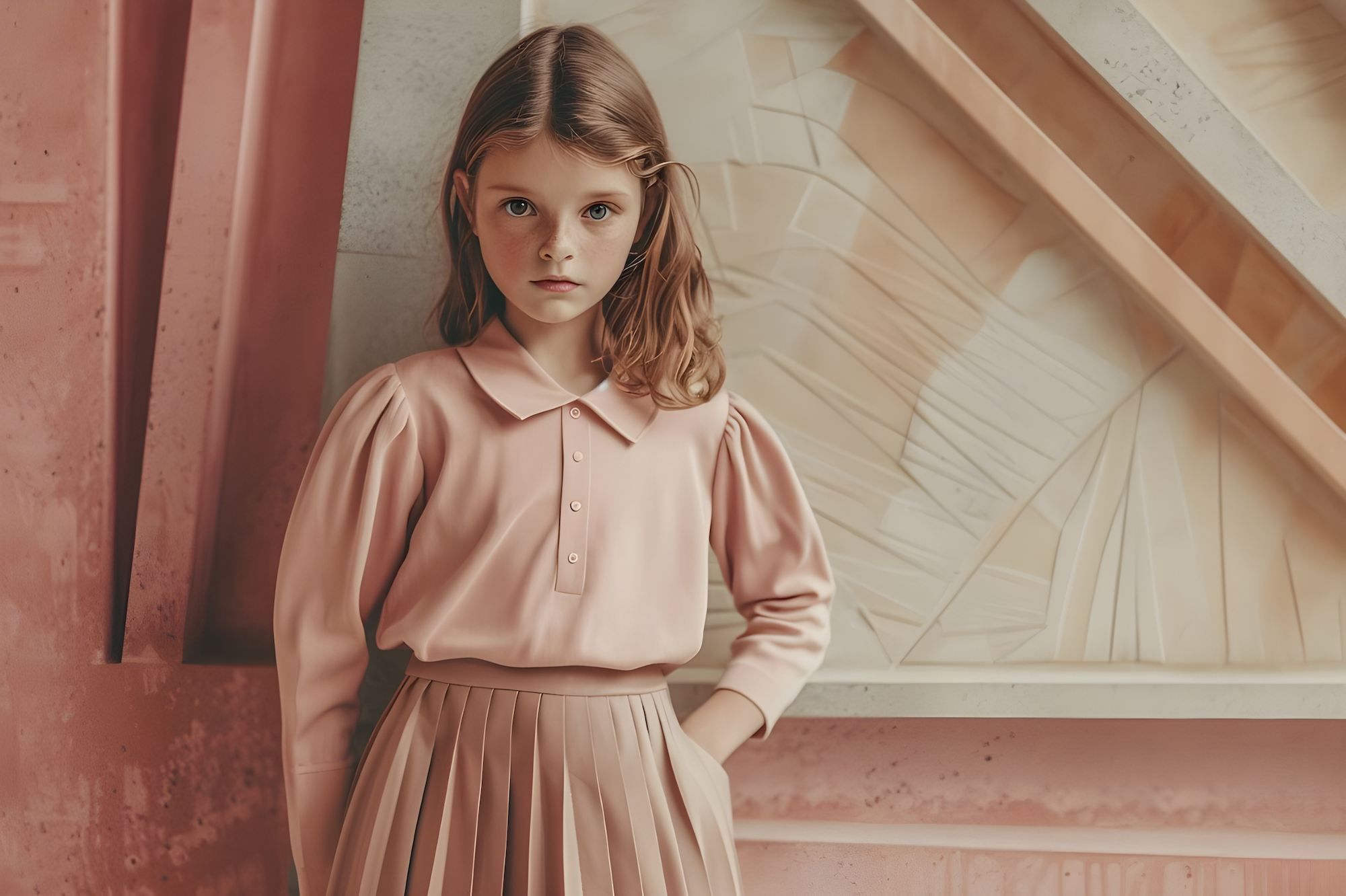
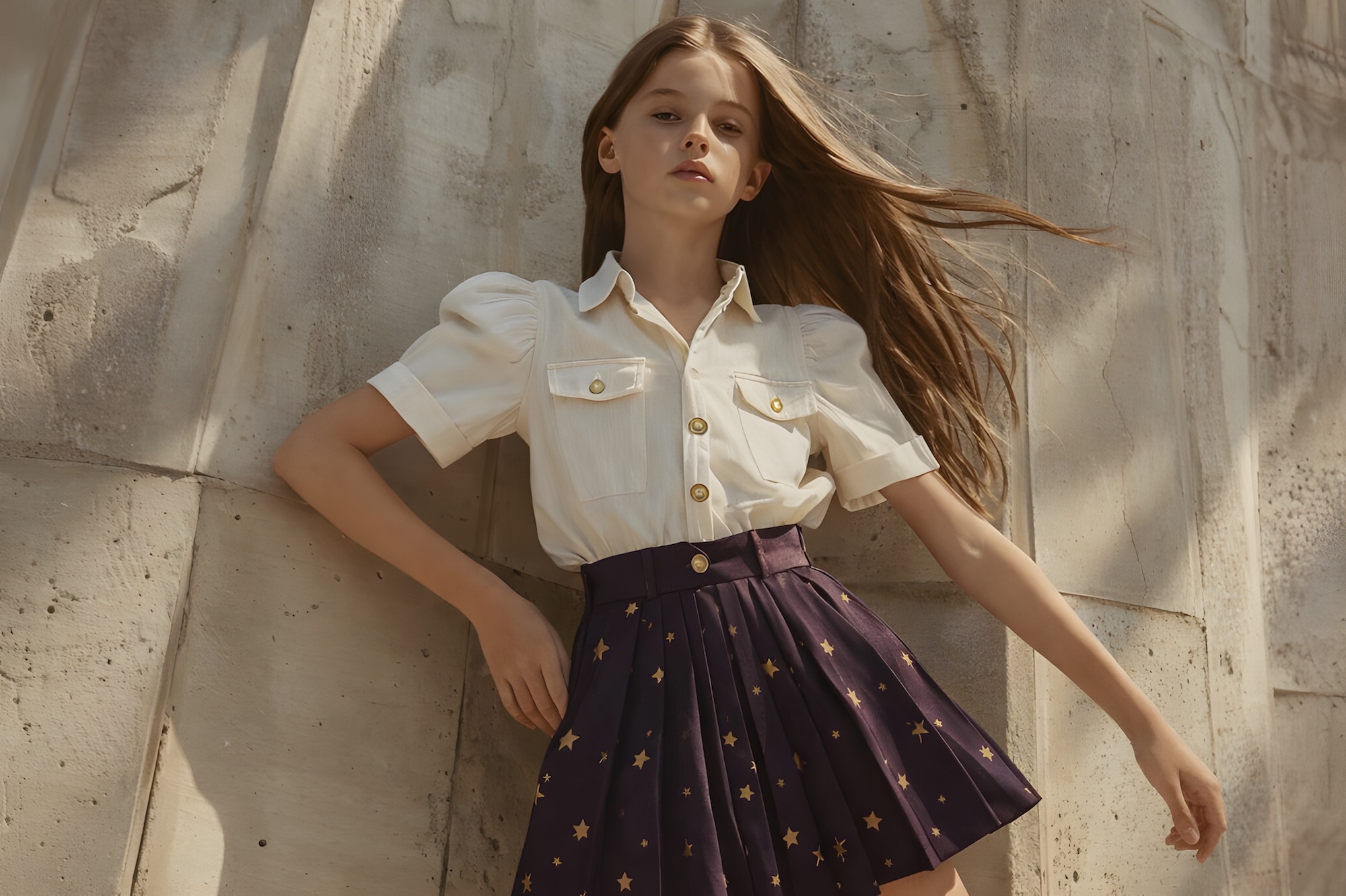
Alongside the rise of relaxed silhouettes, 2026 also marks a renewed appreciation for polished, sport-inspired dressing in children’s fashion. This shift brings a sense of structure and intention back into everyday wardrobes, without sacrificing comfort or ease. Clean polos, pleated skirts and shorts, structured knits, and subtle stripe details reintroduce classic elements that feel orderly, timeless, and quietly confident.
What makes these pieces feel relevant now is how they are styled. Rather than appearing formal or restrictive, polished staples are softened through relaxed proportions and thoughtful pairing. A crisp, tailored top worn with easy denim feels modern and wearable. A pleated skirt balanced with a soft sweatshirt or knit layer feels refined yet child-appropriate. The contrast between structure and softness creates outfits that feel composed without being precious.
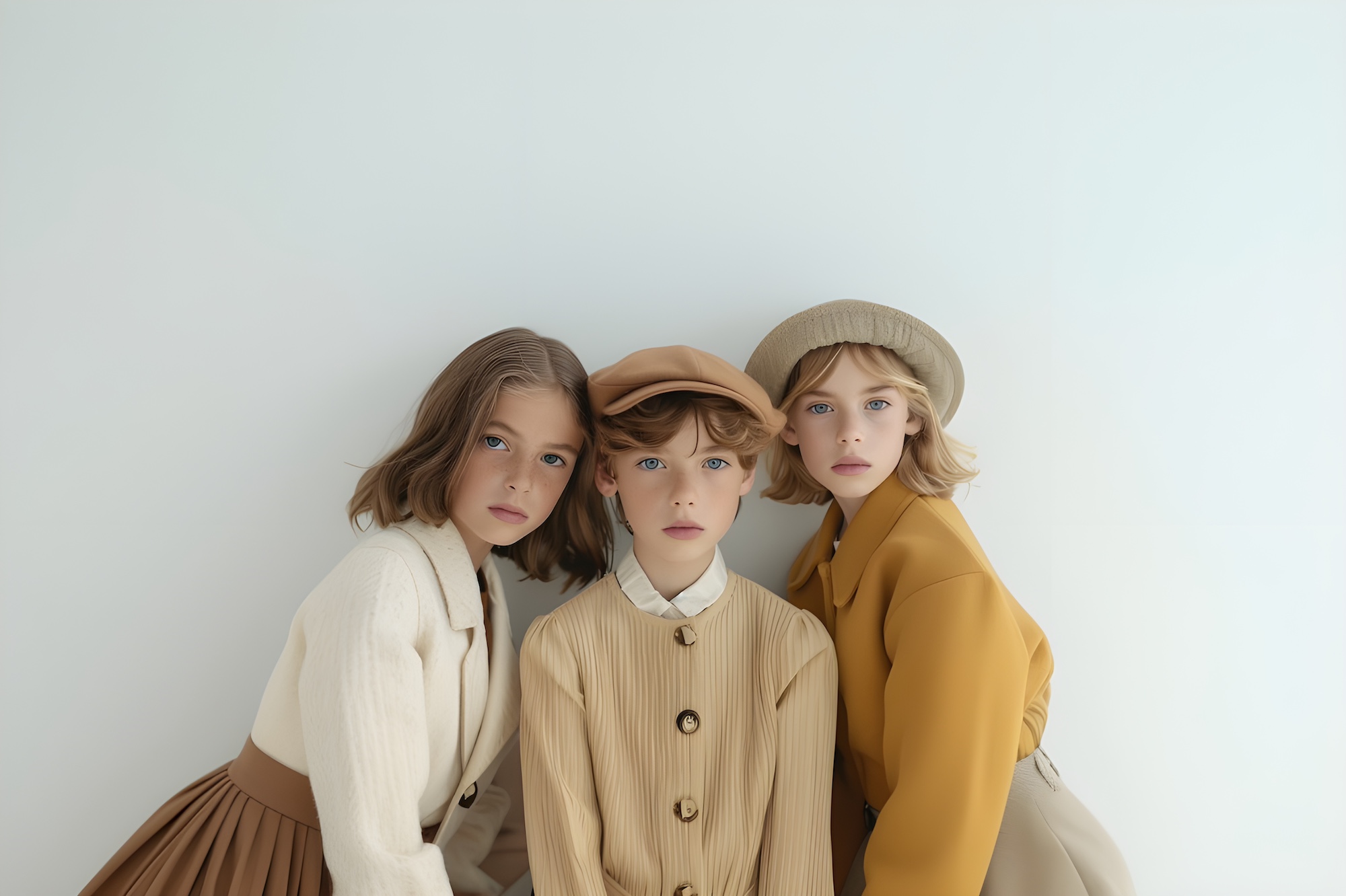
Earthy Neutrals Ground the Palette
Color direction for kids’ fashion in 2026 is both inclusive and flexible, grounded in tones that feel timeless rather than trend-driven. Earth-inspired neutrals such as sand, camel, olive, and warm beige form the backbone of many collections, creating a calm and cohesive foundation that works across seasons. These shades offer a natural sense of balance, with gender-neutral appeal and an ease of mixing that allows pieces to move seamlessly within a child’s wardrobe.
Neutral palettes also play an important visual role. By quieting the overall color story, they allow silhouettes, texture, and craftsmanship to take center stage. Pleats, knits, tailoring, and fabric quality become more noticeable, while the clothing itself feels less tied to a specific moment in time. This understated approach photographs beautifully, an increasingly important consideration in a visually driven world where style is often experienced first through images.
Fabrics That Prioritize Comfort and Care
Fabric choice is becoming a defining factor in how parents assess children’s clothing. By 2026, attention is shifting beyond silhouette or color to the way a garment feels, performs, and holds up over time. Breathable cottons, bamboo blends, and thoughtfully constructed woven fabrics support all day comfort while reflecting a more intentional approach to dressing.
Parents are increasingly drawn to pieces that feel soft against the skin yet maintain their structure through repeated wear and washing. Garments that resist stretching, fading, or losing shape offer reassurance, especially for families seeking clothing that can move easily between school days, weekends, and more polished moments. Practicality and quality now carry as much weight as design.
This renewed emphasis on fabric encourages a wardrobe built around fewer, better made pieces. When clothing is designed to last across seasons and style effortlessly with what children already own, it becomes worn more often and valued more deeply. The result is a more thoughtful and versatile wardrobe that prioritizes comfort, durability, and quiet sophistication over fleeting trends.
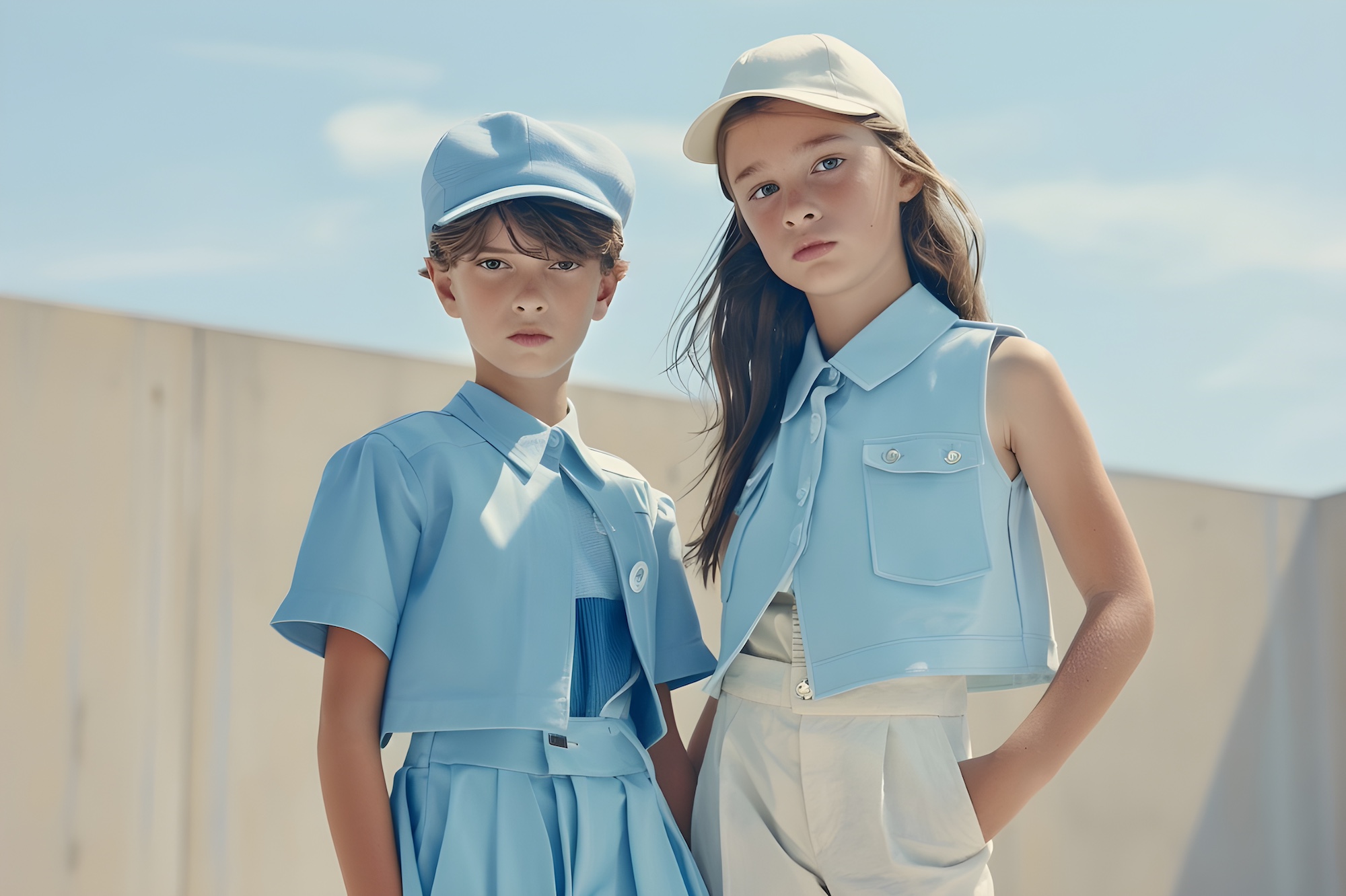
Layering as a Styling Tool
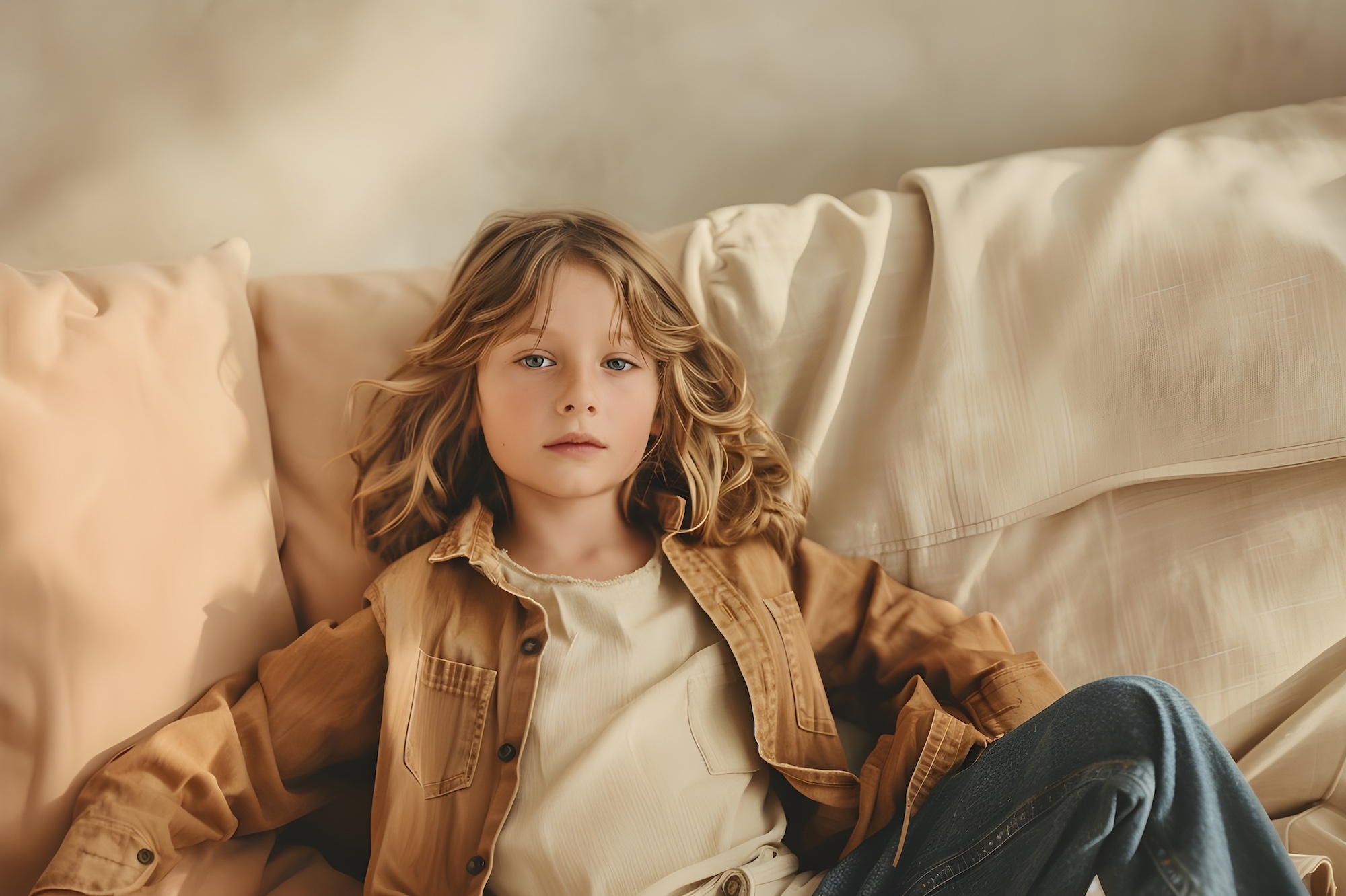
Layering emerges as a defining styling element in kids’ fashion for 2026, offering both visual interest and everyday practicality. Cropped cardigans, knit vests, flannel shirts, and lightweight jackets add depth to outfits without overwhelming them, creating looks that feel intentional yet easy. These pieces introduce structure, texture, and proportion, allowing simple foundations to feel more considered.
Beyond aesthetics, layering gives children flexibility throughout the day. As temperatures shift or activities change, layers can be added or removed with ease, supporting comfort without disrupting the overall look. This adaptability also encourages self expression, giving children the freedom to experiment with how pieces are combined and worn.
When chosen thoughtfully, layers become essential design components rather than finishing touches. They help balance silhouettes, highlight craftsmanship, and bring cohesion to an outfit. In 2026, layering is less about piling on clothing and more about purpose, creating wardrobes that feel versatile, expressive, and quietly refined.
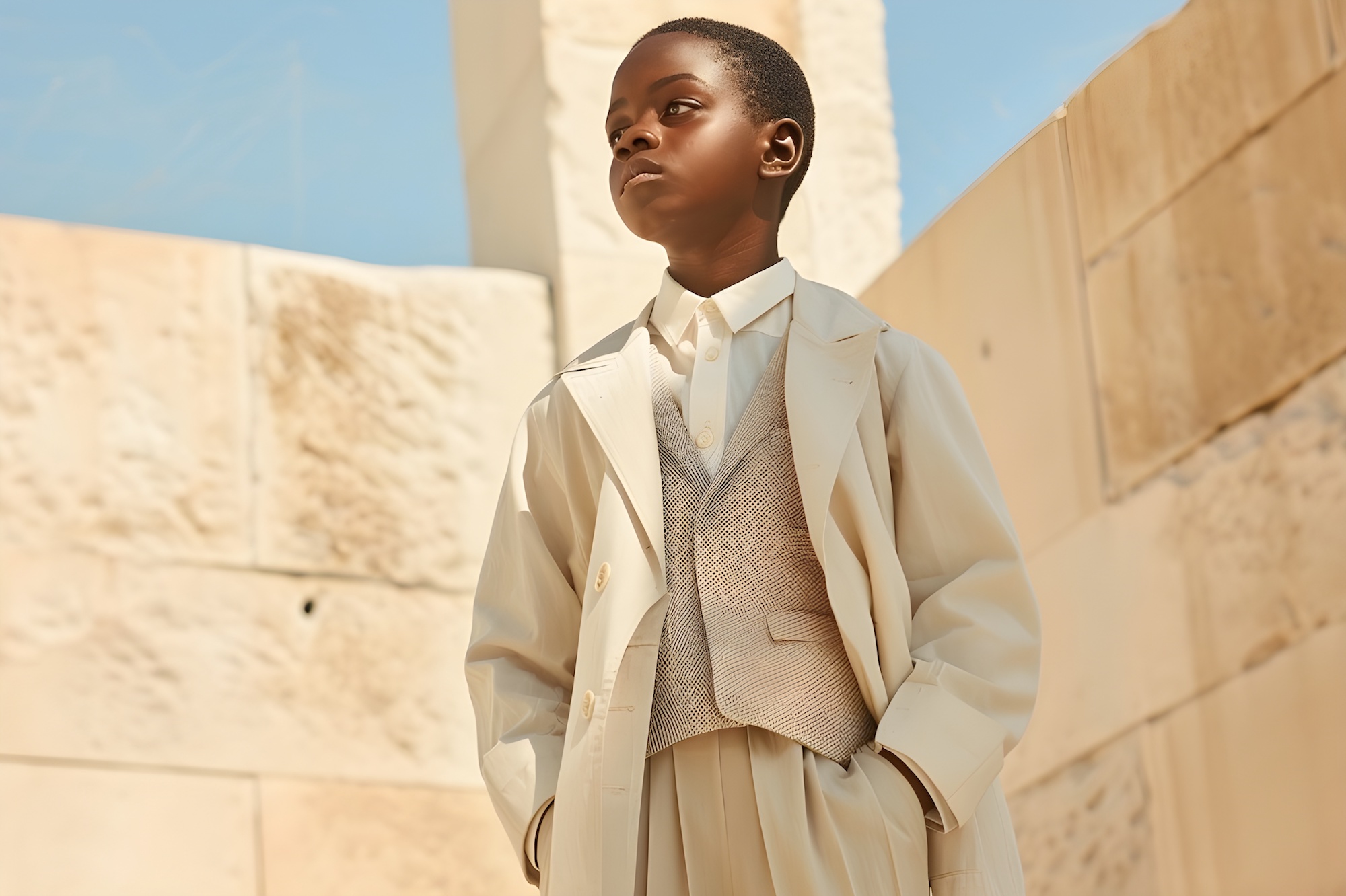
Inclusivity and Self-Expression at the Core
One of the most meaningful shifts shaping kids’ fashion in 2026 is a growing commitment to inclusivity. Gender-neutral silhouettes, flexible sizing, and mix-and-match styling are becoming central to how children dress, allowing them to choose clothing that feels natural, comfortable, and true to who they are. Rather than being defined by labels or rigid categories, style becomes a space for individuality and ease.
Designers are increasingly moving away from prescriptive ideas of how children should dress and toward clothing that encourages exploration. Pieces are designed to work together intuitively, inviting kids to combine colors, textures, and shapes in ways that reflect their personality. This freedom supports confidence, helping children feel ownership over their style rather than simply wearing what is assigned to them.
KidRovia embraces this openness while offering a thoughtful framework to guide it. Through considered proportions, intentional color palettes, and an emphasis on quality materials, expression is supported rather than constrained. The goal is not to dilute creativity, but to elevate it, creating wardrobes that feel joyful, personal, and beautifully balanced.
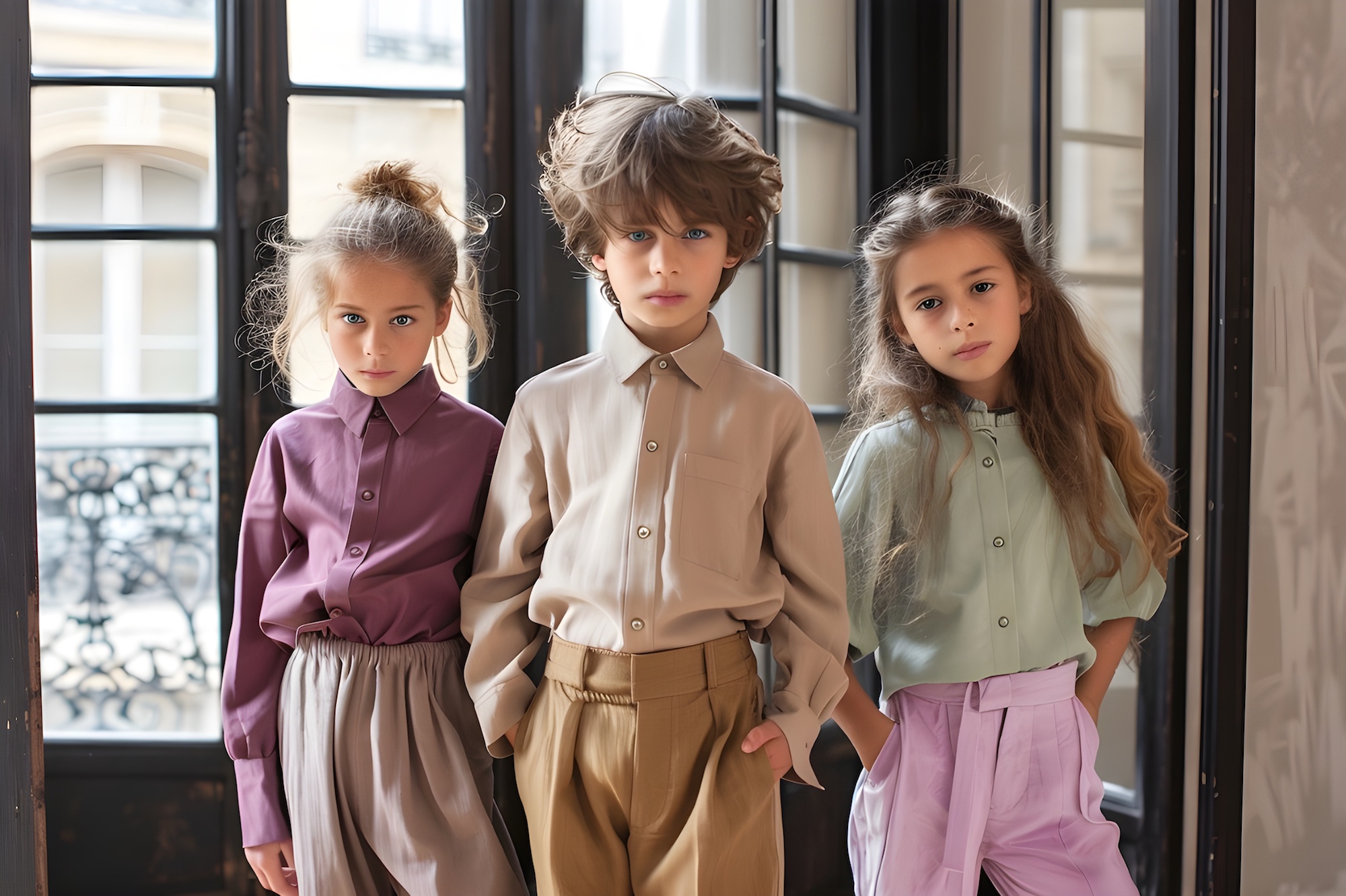
How KidRovia Would Style 2026
At KidRovia, trends are viewed as starting points rather than destinations. They offer inspiration, but never dictate the final look. For 2026, our approach centers on thoughtful balance, combining what feels current with what endures.
We embrace relaxed fits while paying close attention to proportion and structure, ensuring silhouettes feel intentional rather than oversized for effect. Coordinated sets in refined fabrics form the backbone of everyday dressing, while streetwear influences are softened through classic shapes, tailored details, and restrained styling. Neutral foundations anchor the wardrobe, creating continuity and versatility, while carefully chosen accents of color, texture, or subtle motif introduce individuality in a controlled, considered way.
These moments of expression are meant to enhance, not overwhelm. A distinctive detail, whether through color, print, or finish, becomes a point of interest rather than the focus of the entire look. It allows children to express personality while remaining grounded in timeless design.
Above all, we prioritize clothing that feels good to wear and grows more appealing over time. Pieces should move easily with a child, hold their shape through repeated wear, and reflect individuality with ease. In KidRovia’s vision for 2026, fashion is not about performance or excess. It is about supporting childhood with comfort, confidence, and quiet elegance.
A Thoughtful Way Forward for Kids’ Fashion in 2026
As children’s fashion continues to evolve, 2026 feels less like a year defined by rigid trends and more like a moment of recalibration. The emphasis has shifted away from dressing children to impress and toward dressing them to belong, to their environments, their interests, and their sense of self. Comfort, creativity, and individuality are no longer competing priorities. They are working together.
What makes this era of kids’ fashion especially compelling is its flexibility. A child can wear oversized silhouettes one day and something more polished the next, without feeling boxed into a single identity. Clothing becomes a tool for exploration rather than a uniform. Relaxed fits coexist with structured pieces. Nostalgic references blend with modern simplicity. Neutral foundations make room for playful expression.
At KidRovia, we believe this balance is where lasting style lives. Trends may introduce new shapes or ideas, but thoughtful styling is what gives them longevity. Choosing quality fabrics, intentional proportions, and cohesive color stories allows families to embrace what’s current without constantly starting over. A wardrobe built this way grows with the child, season by season, moment by moment.
2026 invites parents to curate rather than consume. To see children’s clothing not as disposable, but as part of the rhythm of daily life. Pieces that are comfortable enough for play, refined enough for gatherings, and versatile enough to move between both become the true staples. These are the garments children reach for instinctively, not because they are trendy, but because they feel right.
For children, this approach fosters confidence. When clothes are easy to wear and expressive without being overwhelming, kids can focus on being present. They climb, imagine, create, and connect without distraction. Style becomes something that supports childhood instead of shaping it.
Tiny trendsetters in 2026 are not defined by labels or aesthetics alone. They are defined by ease, authenticity, and the freedom to dress in ways that reflect who they are in the moment. That freedom, paired with thoughtful design, is what gives modern kids’ fashion its quiet power.
This is how KidRovia sees the year ahead, not as a checklist of trends to follow, but as a style philosophy to live with. One that values comfort and beauty equally. One that leaves room for growth. And one that understands that the most stylish children are the ones who feel most at home in what they wear.